Northcliff Blue
Lasting footprint

Image 2
Image 3
Sandstone Northcliff Blue
Northcliff Blue stone, with its range of grey, bluish, and brown tones, stands out as one of the most remarkable options for horizontal projects, especially those requiring high-performance outdoor paving. Its resistance makes it an ideal choice for high-traffic areas, both pedestrian and vehicular, including heavy vehicle circulation. It is, without a doubt, one of the most valued European sandstones for all types of commercial and public works projects. It is available in various formats, from large paving slabs to cobblestone sizes, making it versatile for different applications. Northcliff Blue is one of the few sandstones that allows a flamed finish, which provides a rough, anti-slip texture especially valued in high-traffic areas and particularly in cold and harsh climates, where safety and durability are paramount.
Technical data
Values from the Northcliff Blue declaration of performance, signed on 26 January 2026 under Regulation (EU) No 305/2011.
| Property | Value | Standard |
|---|---|---|
| Petrographic study | Litharenite (sandstone) | EN 12407 |
| Compressive strength | 147 MPa (153 MPa after 56 freeze-thaw cycles) | EN 1926 |
| Flexural strength | 23.3 MPa (24.9 MPa after 56 freeze-thaw cycles) | EN 12372 |
| Apparent density | 2,640 kg/m³ | EN 1936 |
| Water absorption | 0.80% | EN 13755 |
| Abrasion resistance | 18.5 mm | EN 14157 |
| Breaking load at anchors | 2,050 N | EN 13364 |
| Slip resistance | 73 SRV dry / 65 SRV wet (not broken down by finish) | EN 14231 |
Water absorption and frost resistance
Water absorption is the weight of water a stone takes up relative to its dry weight, and frost damage starts with the water held inside the stone. Northcliff Blue absorbs 0.80%. In the frost test the stone is put through 56 freeze-thaw cycles and tested again: flexural strength rises from 23.3 to 24.9 MPa and compressive strength from 147 to 153 MPa.
Use in cold climates
We recommend Northcliff Blue for external paving in cold climates and in areas with heavy pedestrian or vehicle traffic. It is one of the two sandstones in our range that can be flamed, a finish that leaves a rough surface. The slip resistance figure above is not split by finish, so ask us about slip testing for the flamed finish if your specification needs it.
No projects yet
We are documenting projects made with this natural stone.



Frequently asked questions about Northcliff Blue
What type of stone is Northcliff Blue and where does it come from?
Northcliff Blue is a grey sandstone with bluish and brown tones. Its petrographic study classifies it as a litharenite, also called lithic arenite: a sandstone with a high share of rock fragments among its grains. It comes from Rubio Natural Stone's own quarry.
How much water does Northcliff Blue absorb and how does it behave in frost?
Its declaration of performance, signed on 26 January 2026, gives a water absorption of 0.8% by weight (EN 13755), a very low figure. Strength is given in megapascals (MPa): the higher the figure, the more load the stone takes before it breaks. After 56 freeze-thaw cycles, flexural strength goes from 23.3 to 24.9 MPa and compressive strength from 147 to 153 MPa, so the test shows no loss of strength.
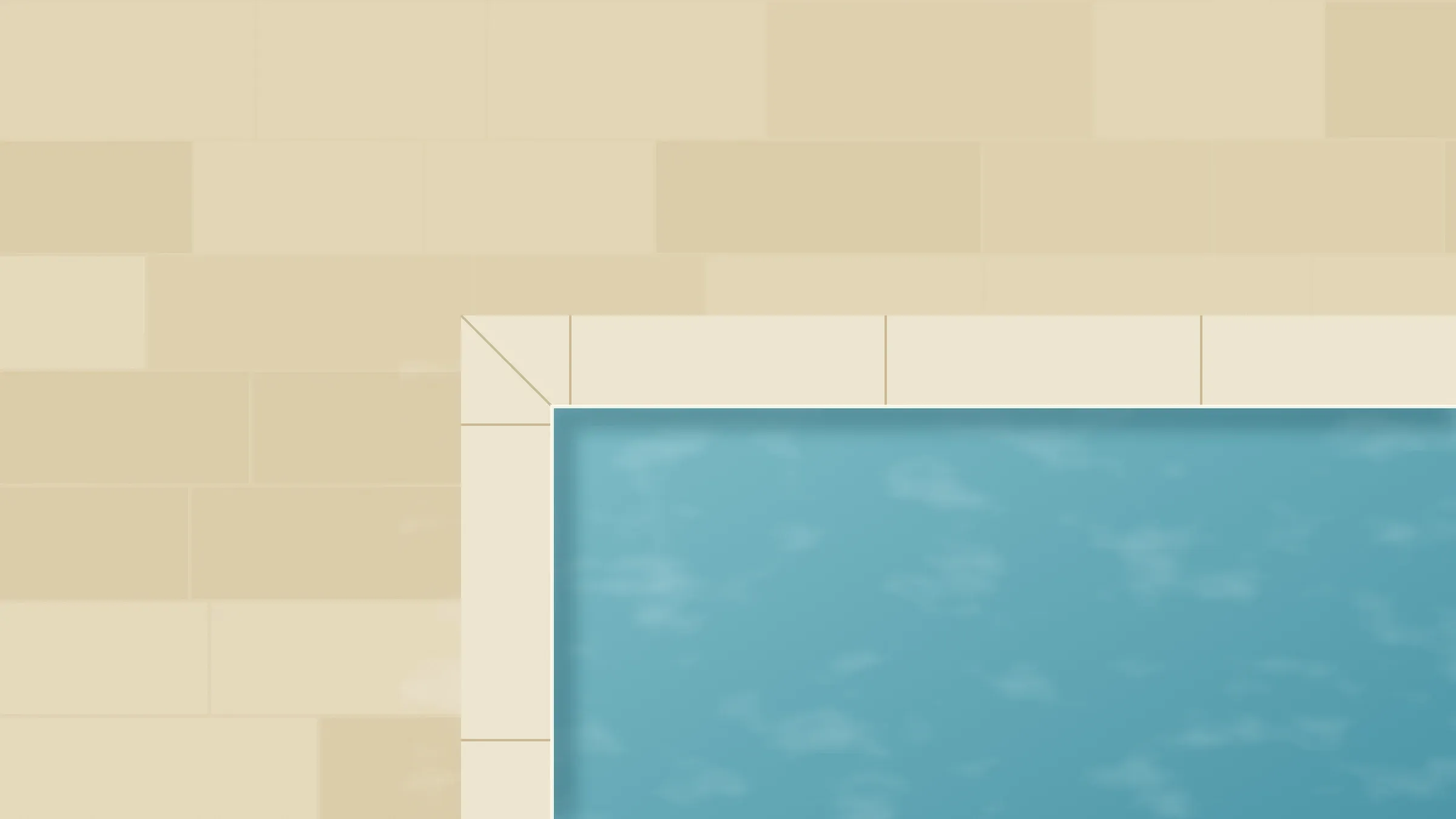
Is Northcliff Blue suitable for exteriors, paving, facades or pools?
We recommend Northcliff Blue above all for external paving with heavy pedestrian or vehicle traffic and for cold climates; external paving is also the intended use stated in its declaration of performance. For facade cladding, the declaration publishes the anchor breaking load, 2,050 N, which is the figure used to design the fixing of each piece. Around pools it suits heavy-use projects or sites with frost, in a flamed finish. The pendulum test measures surface grip, and the higher the value, the more grip: Northcliff Blue gives 73 dry and 65 wet, a figure the declaration does not break down by finish.
Which finishes does Northcliff Blue take?
The 2026 catalogue lists five finishes for Northcliff Blue: sawn, honed, brushed, fine bush-hammered and flamed. Flaming, a rough finish produced by thermal shock, is done only on the two hardest sandstones in the range, Violet and Northcliff Blue.
Which stones is Northcliff Blue usually compared with?
It is mostly compared with British paving sandstones such as Crosland Hill, Scoutmoor and Forest of Dean Pennant, and with Indian sandstone. The comparator has a page for each one with the test data of both stones.
How do I request a sample or the data sheet for Northcliff Blue?
You can request the data sheet with the “Download data sheet” button on this page. To ask for a sample of Northcliff Blue, write to us through the contact form and tell us the finish you are interested in and the intended use.
Other natural stones
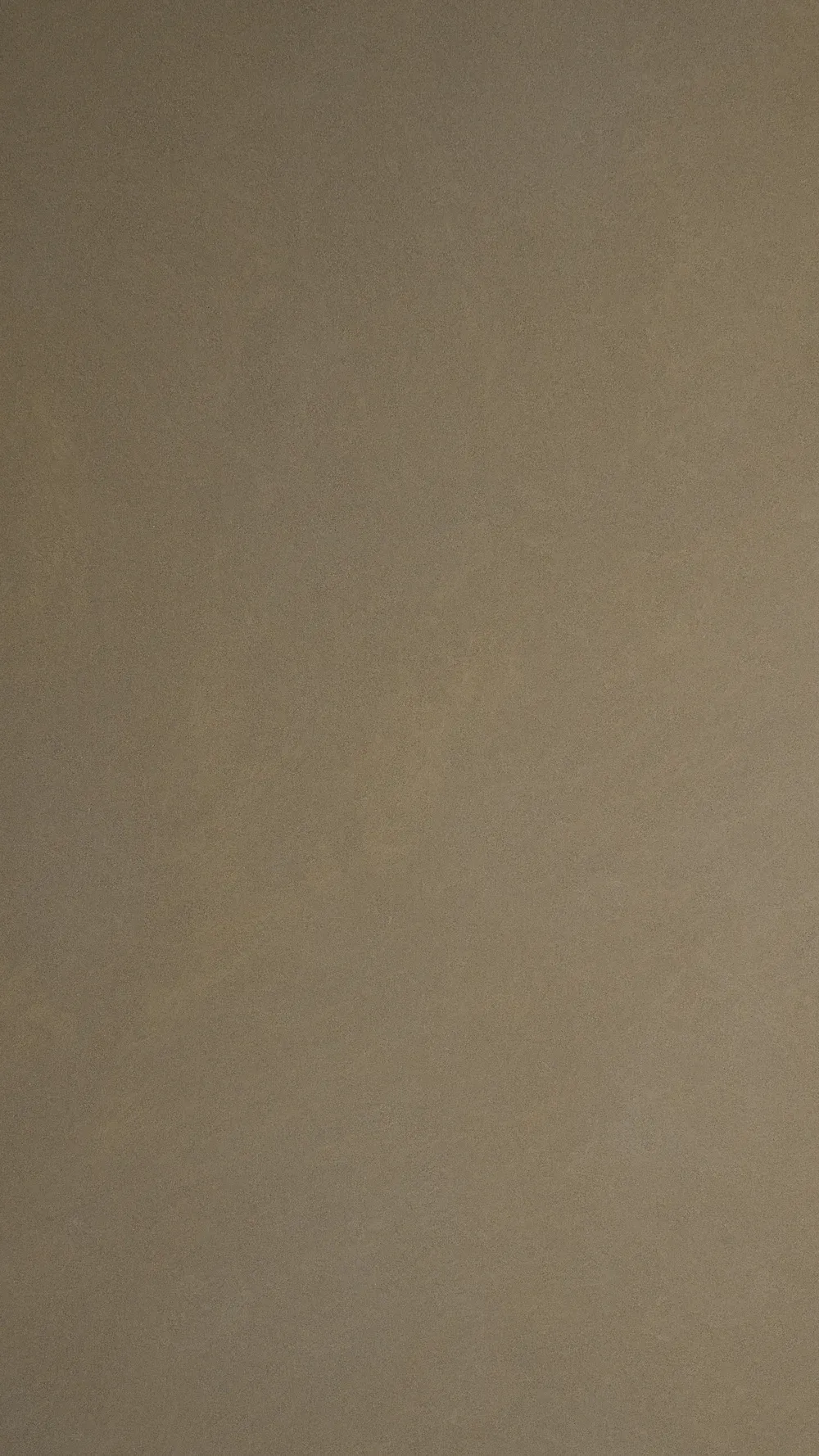
Clara
RETRO ELEGANCE, MODERN SPIRIT
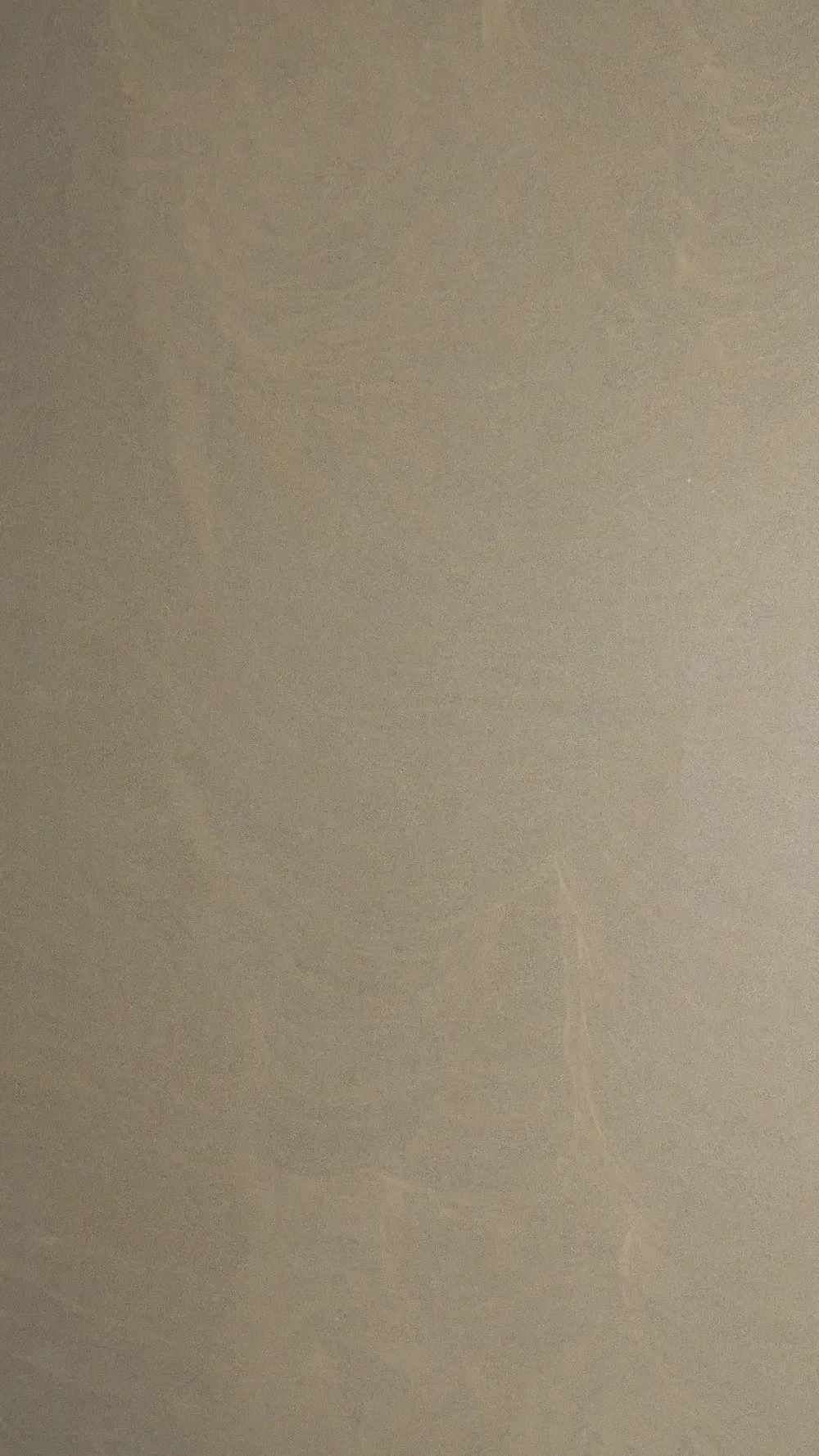
Brisa
PERFECTION IN ITS RHYTHM

Duna
GENTLE EMBRACE OF COLOR AND CALM
Perla
SOPHISTICATION AND ELEGANCE
Sunstone
A CHALLENGE TO MONOTONY
Violet
INTREPID PRESENCE
Rustic
ENERGETIC ATTITUDE