
Duna
Soft embrace of color and calm

Image 2
Image 3
Sandstone Duna
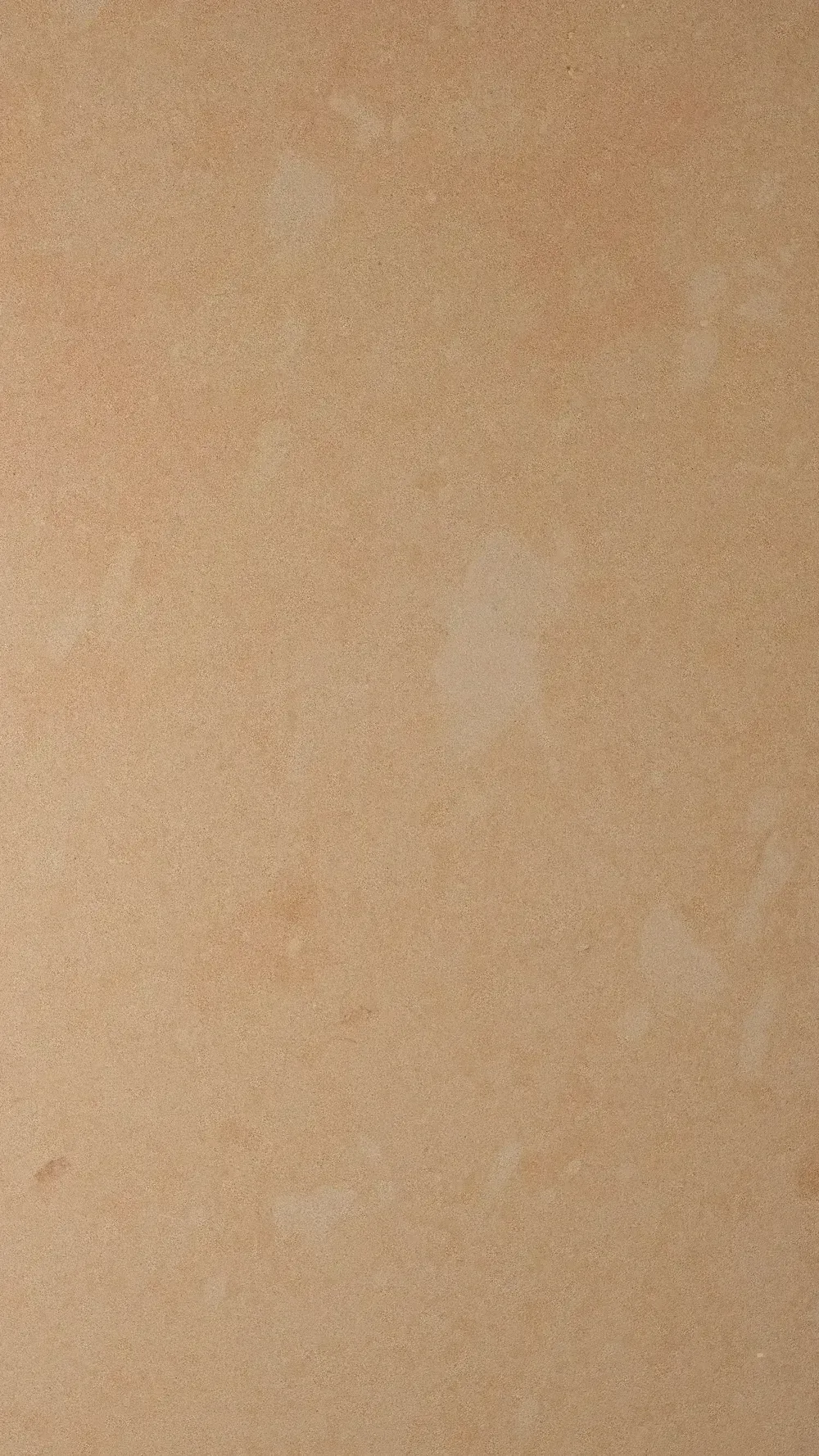
Fine-grained sandstone, in a toasted color with delicate orange nuances, bringing a natural and homogeneous warmth to spaces. It is extracted from our own quarry in large-dimension blocks, allowing its use in large-format paving, cobblestones, and a wide variety of fabrications and finishes. It is a functional and versatile material, highly valued in all types of architectural projects, as it brings a timeless and elegant feel, blending harmoniously into both traditional settings and more contemporary design proposals.
Characteristics
COMPRESSION STRENGTH
73 Mpa
BENDING STRENGTH
8,5 Mpa
PETROGRAPHIC STUDY
Calcaretina
APPARENT DENSITY AND OPEN POROSITY
2410 kg/m³ 12,60%
FROST RESISTANCE
7,9 Mpa
BREAKING LOAD FOR ANCHORS
900 N
DRY SLIP RESISTANCE UNPOLISHED
94 SRV
WET SLIP RESISTANCE UNPOLISHED
78 SRV
ABRASION RESISTANCE
25 mm




Frequently asked questions about Duna
What type of stone is Duna and where does it come from?
Duna is a fine-grained calcareous sandstone in a tan colour with orange nuances. Its petrographic study classifies it as a calcarenite, the geological name for a rock made of sand-sized calcareous grains. It is extracted in large blocks from Rubio Natural Stone's own quarry.
Is Duna a granite?
No. Duna is a calcareous sandstone, a sedimentary rock, whereas granite is an igneous rock. It is sometimes searched for as a yellow granite because of its tan colour, but its test values are those of a sandstone, with 73 MPa in compression (megapascals: the higher the figure, the more load the stone takes) and 12.6% open porosity.
How much water does Duna absorb and how does it behave in frost?
The Duna data sheet gives open porosity, the volume of voids that water can reach, at 12.6%; it does not include a water absorption figure. In the frost test, after 56 freeze-thaw cycles, flexural strength stands at 7.9 MPa against the initial 8.5 MPa.
Is Duna suitable for exteriors, paving, facades or pools?
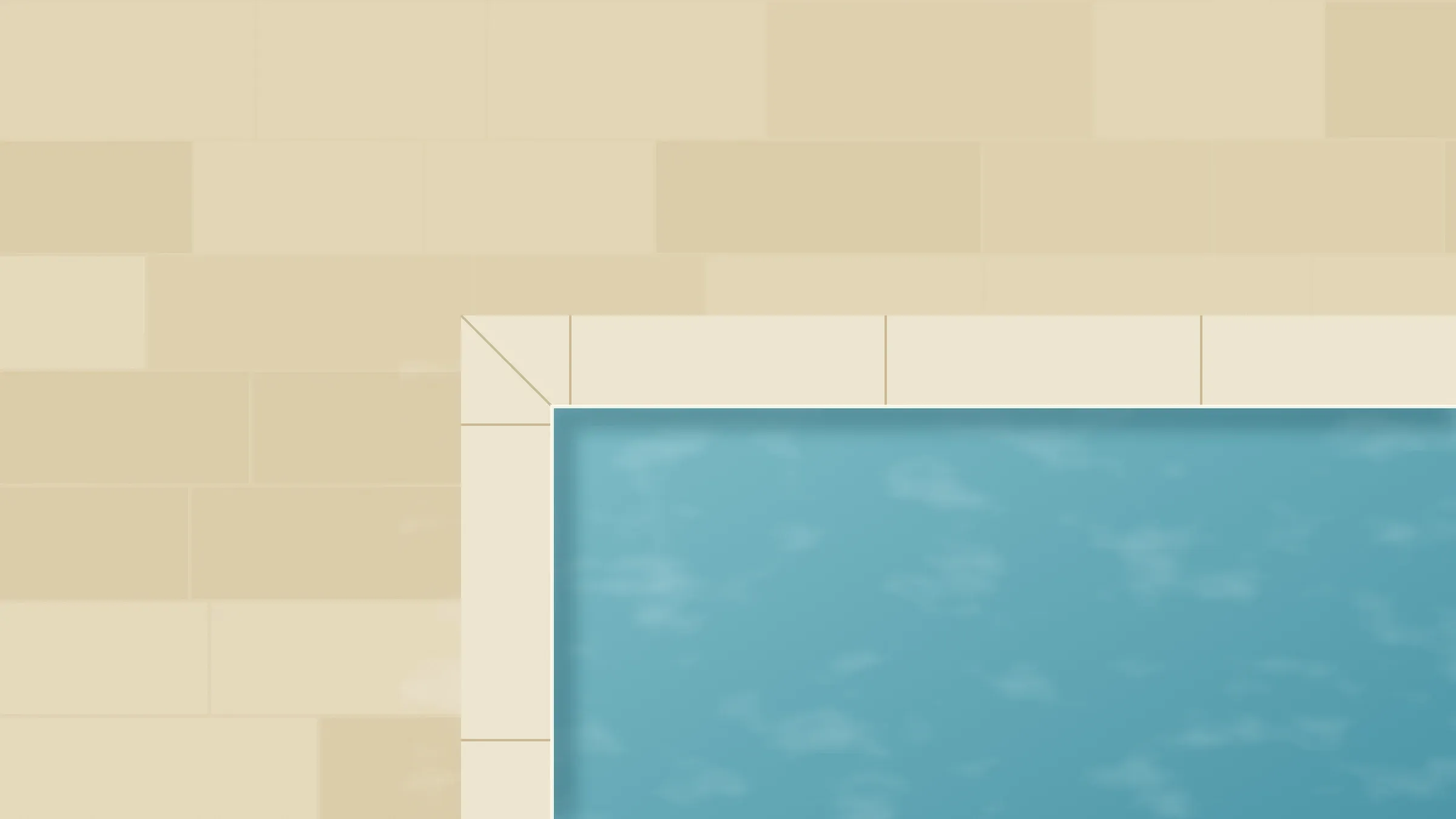
We recommend Duna for large-format paving, setts, ventilated facades and interiors. Outdoors it is in the setts of Greenwich Park Revealed (London, 2024) and in the paving and pool area of the Mas de la Costa hotel (Valderrobres, Spain, 2020); on facades, in the Hotel Universal in Barcelona. In the pendulum test, which measures surface grip (the higher the value, the more grip), it gives 94 dry and 78 wet.
Which finishes does Duna take?
The 2026 catalogue lists ten finishes for Duna: sawn, honed, sandblasted, bush-hammered (also fine and coarse), brushed, chiselled, split and the Rubio's Special family. Honed is the finish documented on site, at the Hotel Universal, and the catalogue shows Duna in Stripped, from the Rubio's Special family. Duna is not flamed: that finish is listed only for Violet and Northcliff Blue.
Which stones is Duna usually compared with?
Duna is offered as an alternative to Cotswold stone, the limestone of the Cotswolds, for its honey and golden tones. The comparison page shows the test data of both stones.
How do I request a sample or the data sheet for Duna?
You can request the data sheet with the “Download data sheet” button on this page. To ask for a sample of Duna, write to us through the contact form and tell us the finish you are interested in and the intended use.
Other natural stones
Clara
RETRO ELEGANCE, MODERN SPIRIT
Brisa
PERFECTION IN ITS RHYTHM
Perla
SOPHISTICATION AND ELEGANCE
Sunstone
A CHALLENGE TO MONOTONY
Violet
INTREPID PRESENCE
Rustic
ENERGETIC ATTITUDE

Northcliff Blue
LASTING FOOTPRINT