
Spanish sandstone for UK projects
Rubio Natural Stone is a Spanish family company that quarries sandstone in Catalonia and Aragon and supplies it, cut to size, to stone merchants, distributors, contractors and specifiers in the United Kingdom and Ireland. It works eight sandstones, from light beige to blue-grey, each with a technical datasheet and a declaration of performance with values to European (EN) test standards.
How Rubio supplies the UK and Ireland, the figures for each stone, the comparisons with yorkstone and Indian sandstone, finishes and formats, and the documents a specification needs.
How Rubio supplies the UK and Ireland
Rubio Natural Stone supplies stone merchants, landscape distributors, specialist contractors and specifiers in the UK and Ireland from its own quarries in Catalonia and Aragon. The stone is cut and finished at its factory in Les Borges Blanques, Lleida, to the piece list of each project.
It travels by container or groupage, depending on volume, and the lead time is confirmed in each quotation. Rubio supplies the stone and does not install it. Distributors receive physical samples and the datasheet of each stone to show their own clients.
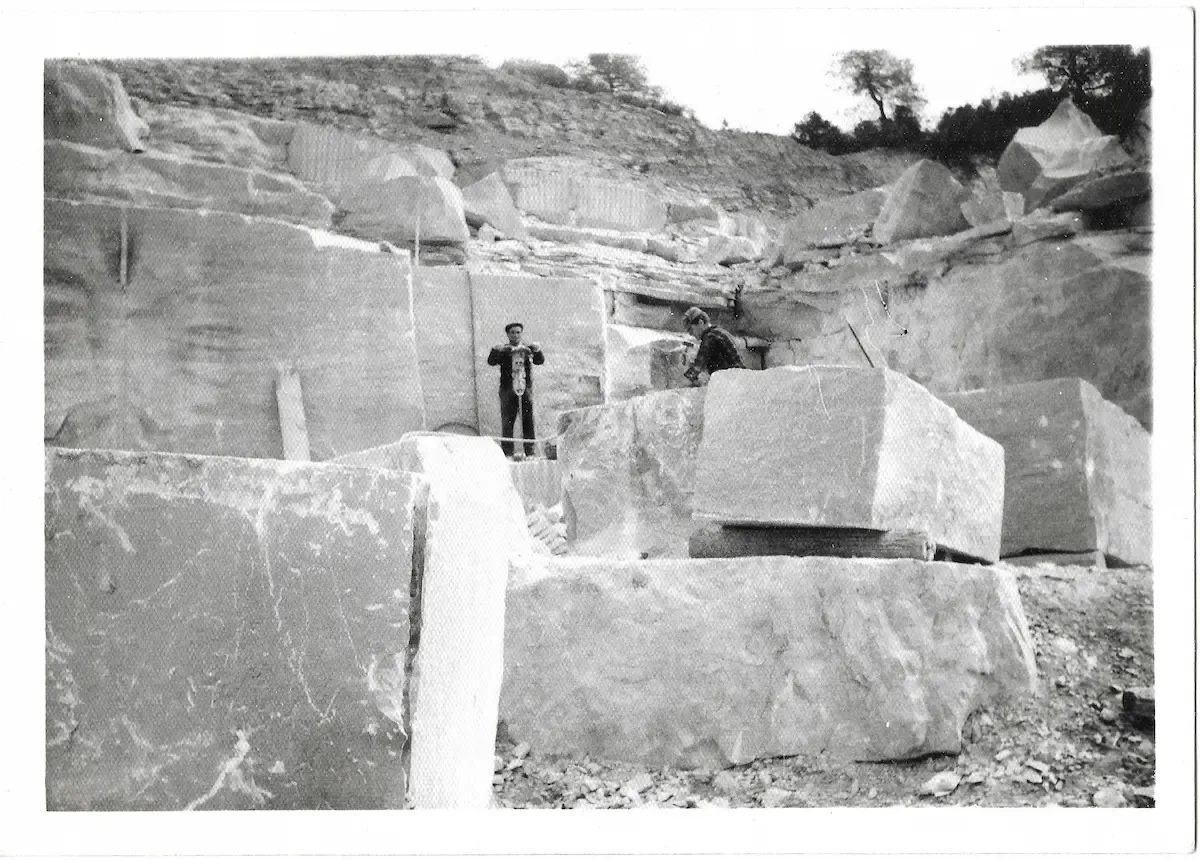
The quarries are in Vinaixa, L’Espluga Calba and Solsona, in Catalonia, and Alcañiz, in Aragon. The family has worked stone since 1950 and opened its first quarry, in Vinaixa, in 1967. More on the About us page.
Head office and factory
Les Borges Blanques, Lleida, Catalonia, Spain
Own quarries
Vinaixa, L’Espluga Calba and Solsona (Catalonia); Alcañiz (Aragon)
Sandstones
Eight, in three petrographic types
Reach
More than 1,000 projects in over 20 countries
The eight Rubio sandstones and their test data
Rubio Natural Stone quarries eight sandstones: Clara, Brisa, Duna, Perla, Sunstone, Rustic, Violet and Northcliff Blue. Five are calcarenites with a compressive strength of 73 to 82 MPa. Rustic and Northcliff Blue are lithic arenites, at 86 MPa and 147 MPa, the second with 0.80 % water absorption. Violet, a quartz arenite, reaches 211 MPa.
A calcarenite is a sandstone whose grains are bound by a calcareous cement. A lithic arenite is made of rock fragments and a quartz arenite almost entirely of quartz grains, and Violet and Northcliff Blue are the hardest stones in the range. Compressive strength is the load a stone carries before it crushes; flexural strength, the load a piece carries when supported at its ends.
Clara
RETRO ELEGANCE, MODERN SPIRIT
Brisa
PERFECTION IN ITS RHYTHM
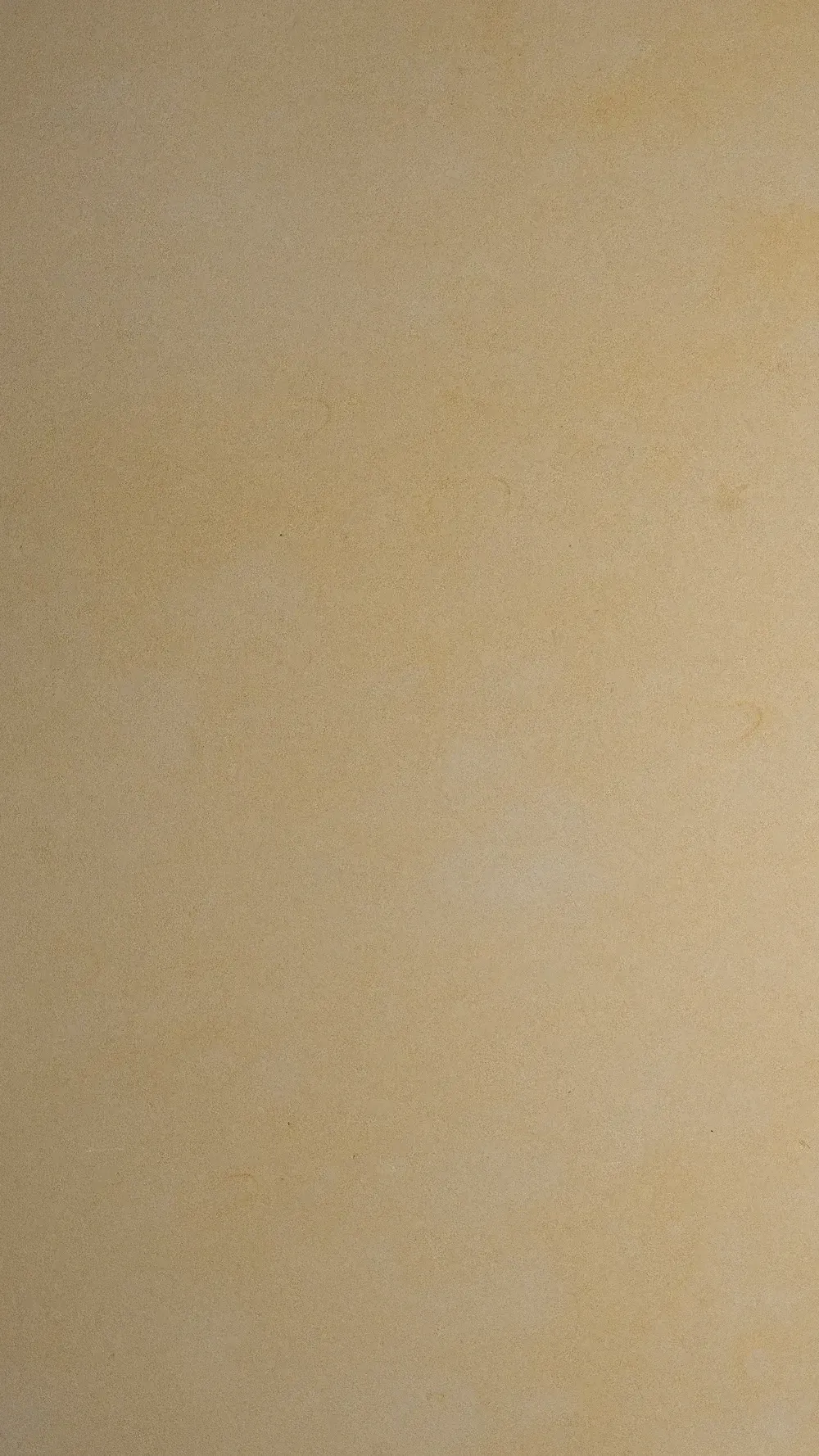
Duna
GENTLE EMBRACE OF COLOR AND CALM
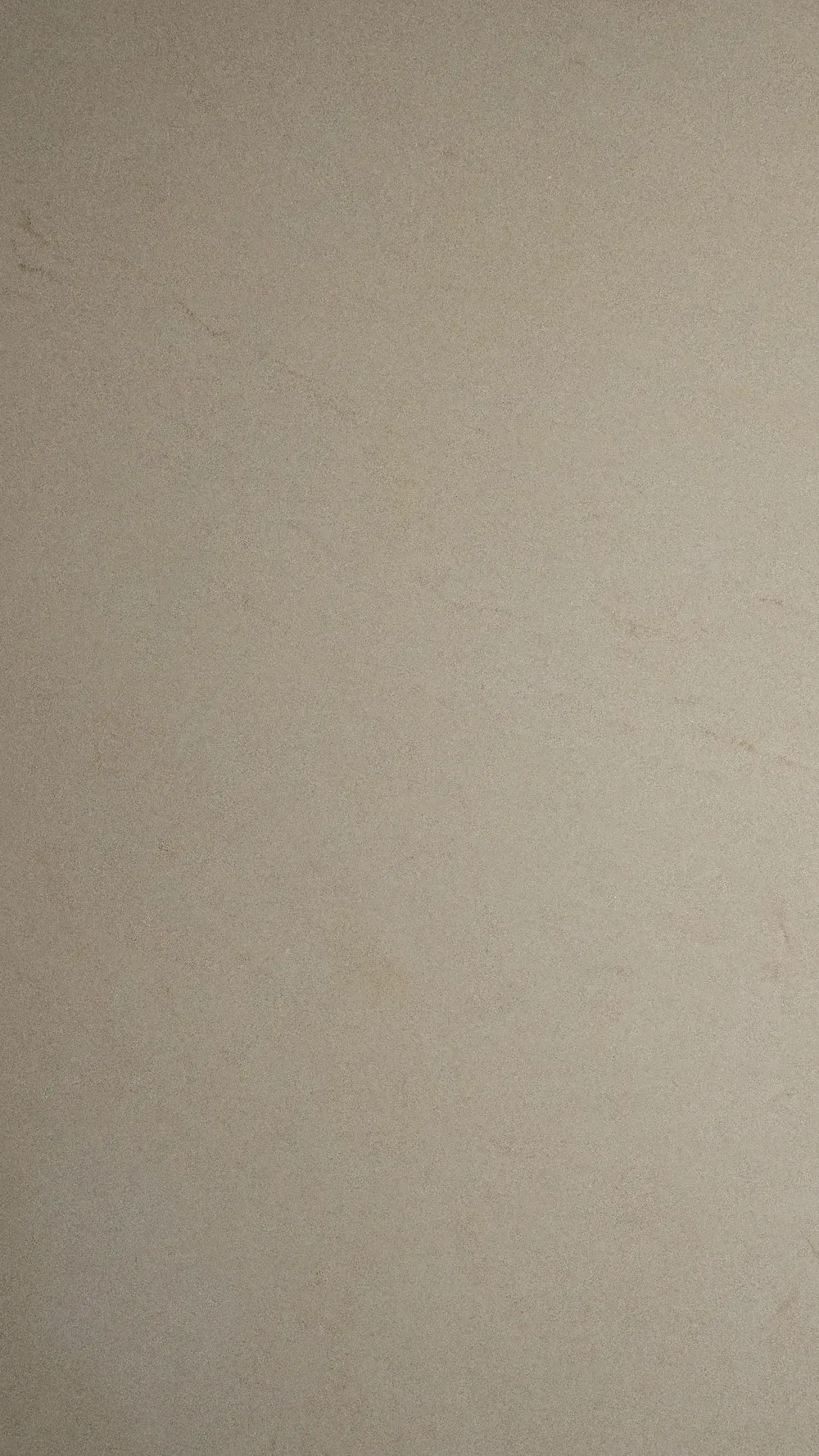
Perla
SOPHISTICATION AND ELEGANCE
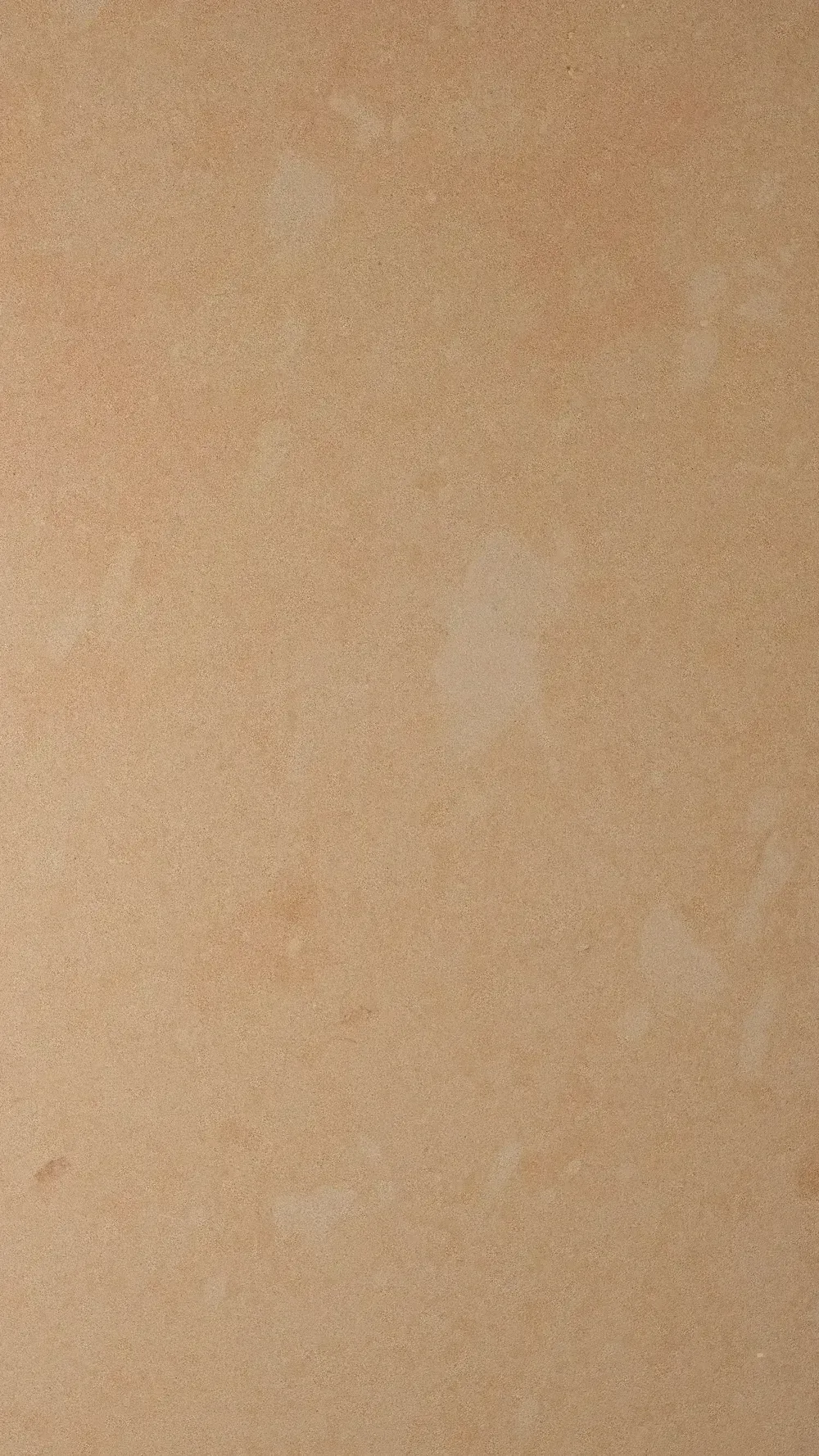
Sunstone
A CHALLENGE TO MONOTONY
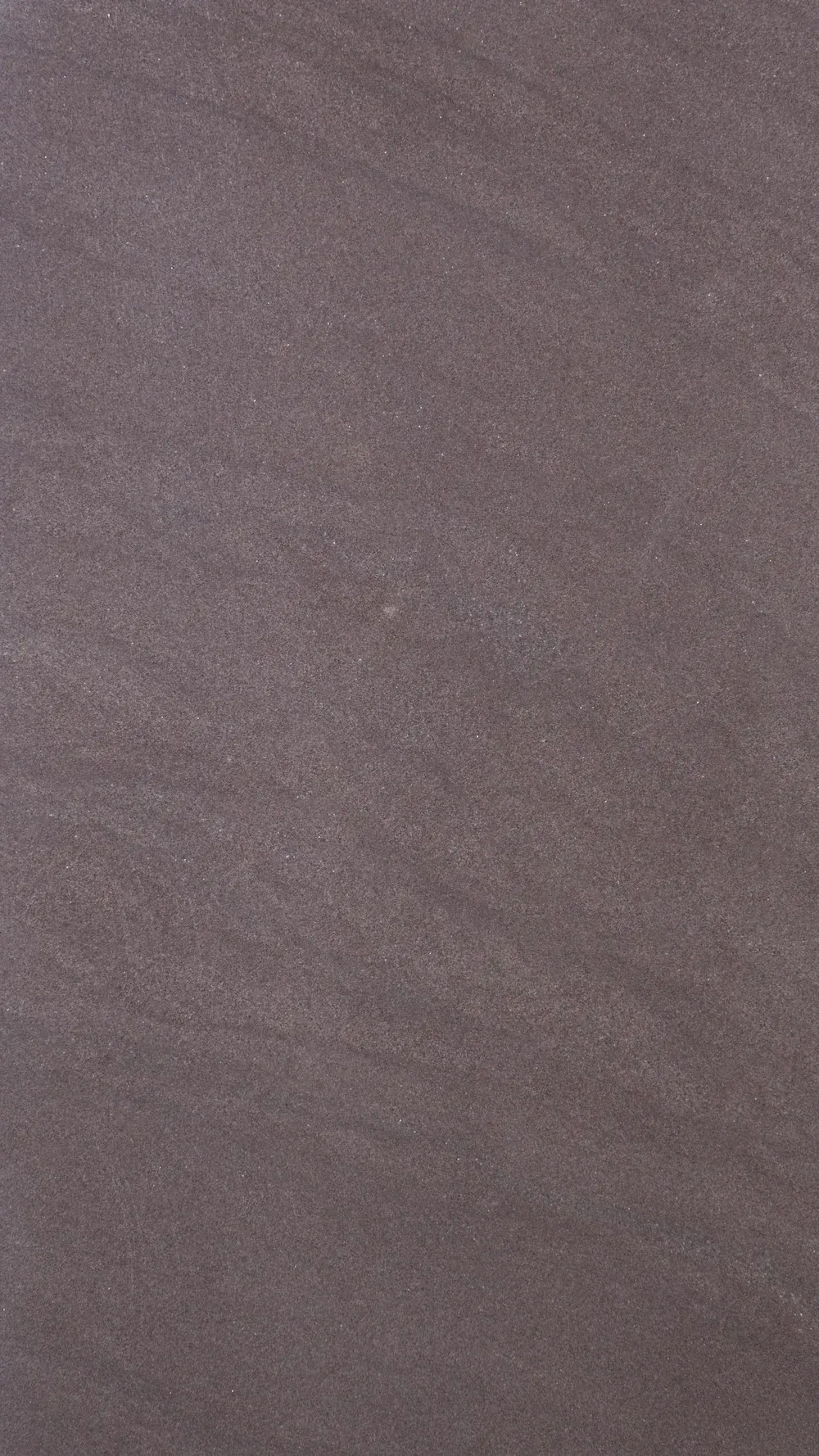
Violet
INTREPID PRESENCE
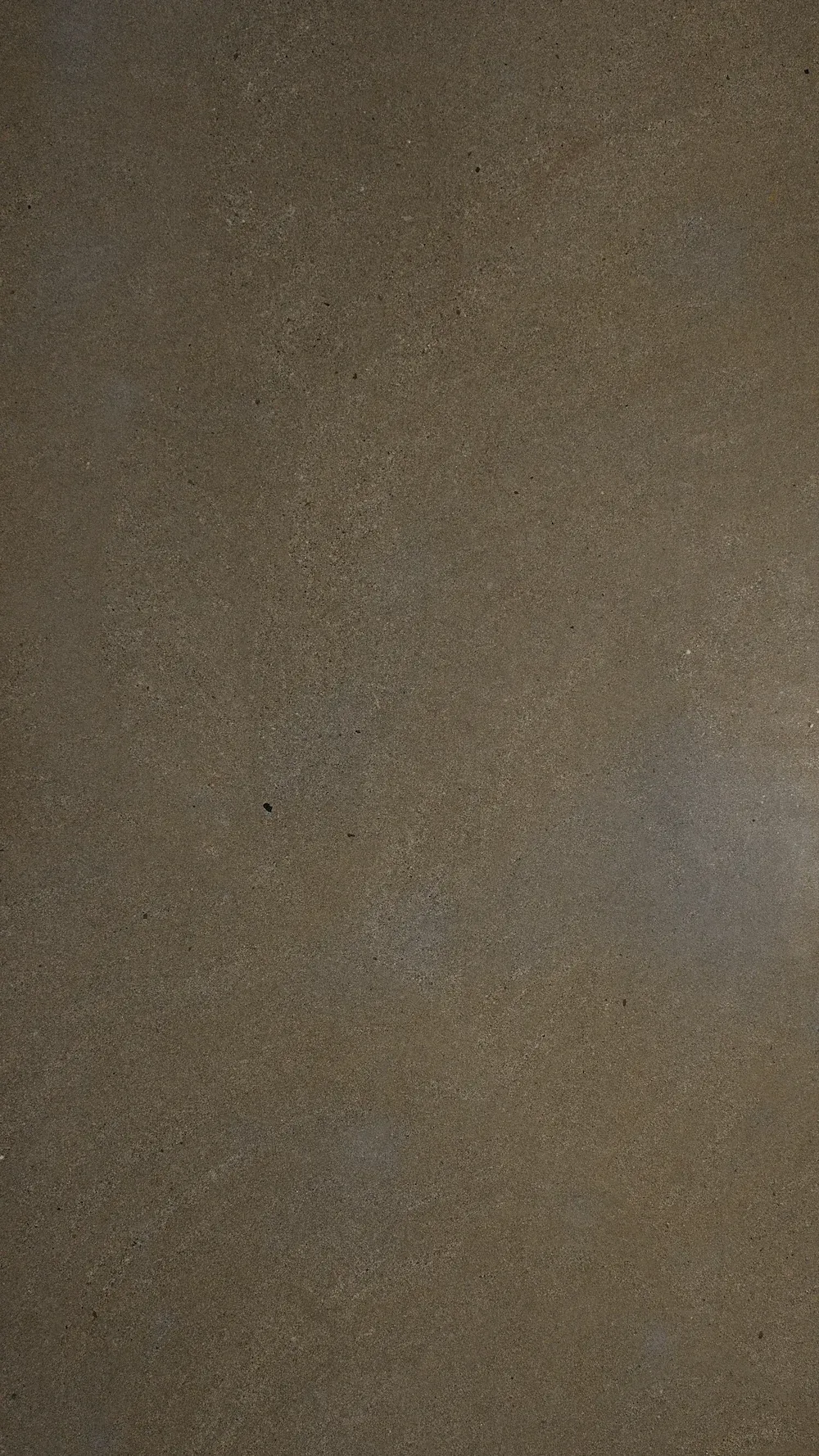
Rustic
ENERGETIC ATTITUDE

Northcliff Blue
LASTING FOOTPRINT
| Stone | Colour | Petrographic type | Compressive strength, EN 1926 (MPa) | Flexural strength, EN 12372 (MPa) | Flexural strength after 56 freeze-thaw cycles, EN 12371 (MPa) | Apparent density, EN 1936 (kg/m³) | Open porosity (EN 1936) or water absorption (EN 13755) |
|---|---|---|---|---|---|---|---|
 Clara | Light beige | Calcarenite | 77 | 9.7 | 9.3 | 2,360 | 12.5 % open porosity |
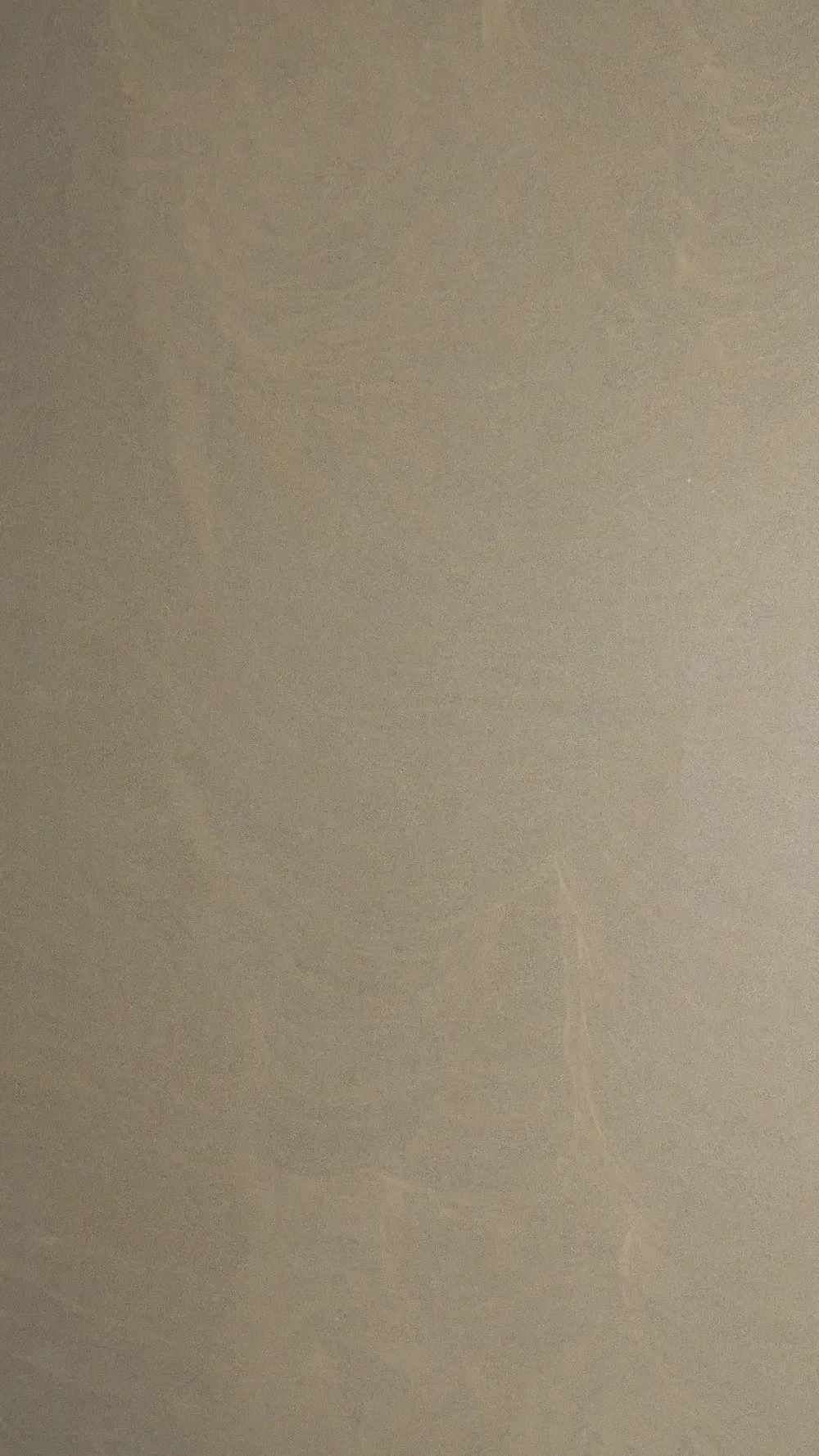
 Brisa | Dark beige with cream veining | Calcarenite | 82 | 9.7 | 9.0 | 2,430 | 12.4 % open porosity |
 Duna | Tan with orange hues | Calcarenite | 73 | 8.5 | 7.9 | 2,410 | 12.6 % open porosity |
 Perla | Cream | Calcarenite | 73 | 8.5 | 7.9 | 2,410 | 12.6 % open porosity |
 Sunstone | Pinkish and yellowish | Calcarenite | 73 | 8.5 | 7.9 | 2,410 | 12.6 % open porosity |
 Rustic | Grey with golden tones | Lithic arenite | 86 | 10.5 | 10.1 | 2,460 | 9.9 % open porosity |
 Violet | Reddish and violet | Quartz arenite | 211 | 19.1 | 12.7 | 2,600 | 3.7 % open porosity; 1.0 % water absorption |
 Northcliff Blue | Blue-grey with brown tones | Lithic arenite | 147 | 23.3 | 24.9 | 2,640 | 0.80 % water absorption |
The test standard of each column is the one printed on the eight technical datasheets of January 2026. Open porosity and water absorption are different tests and are not interchangeable: six datasheets give open porosity only, Northcliff Blue gives water absorption only, and Violet gives both. Violet’s flexural strength is 19.1 MPa with the load perpendicular to the bedding and 14.0 MPa parallel to it. Duna, Perla and Sunstone have the same test values; they differ in colour.
These eight are the only sandstones from the Rubio quarries. Other sandstones quarried in Lleida or Aragon under different trade names belong to other companies. Rubio Selection is a separate range of limestones, marbles and travertines, and its stones are not own-quarry sandstone.
For a red sandstone, the option is Violet, a quartz arenite in reddish and violet tones and the strongest stone in the range.
Alternatives to yorkstone and other stones specified in the UK
For heavy-traffic paving in the blue-grey to brown range of yorkstone, the Rubio alternative is Northcliff Blue sandstone: 147 MPa compressive strength, 0.80 % water absorption (EN 13755) and 18.5 mm abrasion (EN 14157). For buff and cream tones in facades, walling and large formats it is Perla, and for grey-buff pedestrian paving and walling, Rustic.
Each comparison below sets the datasheet of the stone specified beside the Rubio datasheet, row by row, including the properties where the other stone has the better figure. Scoutmoor’s wet slip resistance of 80 to 87 PTV, for instance, is above the 65 SRV of Northcliff Blue, and Woodkirk is stronger in bending than Rustic or Perla.
| Stone specified | Origin | Rubio alternative | What the data shows | Comparison |
|---|---|---|---|---|
| Scoutmoor Yorkstone Fine-grained Carboniferous sandstone (Millstone Grit), yorkstone | Northern England (Lancashire and Yorkshire) |  Northcliff Blue | Same blue-grey with brown tones. Northcliff Blue gives 147 MPa compressive strength and 0.80 % water absorption, against a mean of 68 MPa and 2.29 % for Scoutmoor. Flexural strength is level at 23.3 and 23.4 MPa. | Scoutmoor Yorkstone alternative |
| Crosland Hill Yorkstone Carboniferous sandstone (hard yorkstone, Millstone Grit) | Crosland Hill, Huddersfield, West Yorkshire (UK) |  Perla Northcliff Blue | Perla for the buff and cream tones in facades, walling and large formats. Northcliff Blue for heavy-traffic paving, with 147 MPa and 18.5 mm abrasion against ranges of 79 to 132 MPa and 16.5 to 19.6 mm for Crosland Hill. | Crosland Hill Yorkstone alternative |
| Woodkirk yorkstone Fine-grained Carboniferous sandstone (Coal Measures), yorkstone | Morley, south of Leeds, West Yorkshire (UK) |  Rustic Perla | Rustic is close to the grey-buff of freshly quarried Woodkirk, with the same 2,460 kg/m³ density and 9.9 % open porosity against 14.9 %. Perla covers the palest buffs. Woodkirk has the higher flexural strength, 10.7 to 13.4 MPa against 10.5 and 8.5 MPa. | Woodkirk yorkstone alternative |
| Forest of Dean Pennant Feldspathic, micaceous lithic arenite (Upper Carboniferous) | Forest of Dean, Gloucestershire (UK) | Northcliff Blue | Both are blue-grey lithic arenites. Northcliff Blue has 0.80 % water absorption against 2.50 to 2.60 %, and an anchor breaking load of 2,050 N in its declaration of performance. | Forest of Dean Pennant alternative |
| Indian Sandstone Quartzitic sandstones from Rajasthan (Kandla Grey, Raj Green, Mint, Modak…) | Rajasthan and Madhya Pradesh (India) | Northcliff Blue Rustic | One quarry origin for the whole project in place of batch-dependent imports. Northcliff Blue for the greys, Rustic for the warm tones. On price, Indian sandstone is the cheaper option. | Indian Sandstone alternative |
| Cotswold stone Middle Jurassic oolitic limestone (Inferior Oolite) | The Cotswolds, Gloucestershire and Oxfordshire (UK) |  Duna Perla | Duna for the honey and golden tones, Perla for the creams. Both give 73 MPa in compression and 12.6 % open porosity, against 10 to 24 MPa and 21 to 30 % on the limestone datasheets. The likeness is one of colour, since Cotswold stone is an oolitic limestone. | Cotswold stone alternative |
| Bath stone Middle Jurassic oolitic limestone (Great Oolite) | Around Bath, in Somerset and Wiltshire (UK) | Perla Duna | Perla for the cream of freshly cut Bath stone, Duna for the honey of the weathered limestone. Both give 73 MPa in compression and 8.5 MPa in bending, against 14 to 29 MPa and 3.4 to 5.4 MPa on five BRE datasheets. They are different families, so the match is one of colour and use. | Bath stone alternative |
| Portland Stone Oolitic limestone (Upper Jurassic) | Isle of Portland, Dorset (UK) | Nivis (Rubio Selection) | Nivis is a pale, almost white limestone from the Rubio Selection range, finished in Les Borges Blanques. It is a limestone and does not come from the Rubio sandstone quarries. | Portland Stone alternative |
For repairs and extensions to existing stonework, a replacement should match the original in porosity and strength as well as in colour, and each comparison gives both sets of figures.
Figures for the stones specified are published data cited on each comparison page. Tone is settled with a physical sample next to the reference. To search by stone name, colour or photo, use the stone alternatives comparator.

Sandstone for paving and vehicular areas
Northcliff Blue sandstone, from Rubio Natural Stone, is a blue-grey lithic arenite with 0.80 % water absorption (EN 13755) and 147 MPa compressive strength (EN 1926). After 56 freeze-thaw cycles (EN 12371) its flexural strength reads 24.9 MPa, against 23.3 MPa before the test. The figures come from its declaration of performance, signed on 26 January 2026 under Regulation (EU) No 305/2011.
Water absorption is the weight of water a dry stone takes in, as a percentage of its own weight. The less water inside the stone, the less there is to freeze and expand in winter. The abrasion test measures the width of the groove a rotating wheel leaves on the surface, so a lower figure means a harder-wearing stone.
| Property | Value | Test standard |
|---|---|---|
| Petrographic description | Lithic arenite (sandstone) | EN 12407 |
| Water absorption at atmospheric pressure | 0.80 % | EN 13755 |
| Compressive strength | 147 MPa | EN 1926 |
| Compressive strength after 56 freeze-thaw cycles | 153 MPa | EN 12371 |
| Flexural strength | 23.3 MPa | EN 12372 |
| Flexural strength after 56 freeze-thaw cycles | 24.9 MPa | EN 12371 |
| Apparent density | 2,640 kg/m³ | EN 1936 |
| Abrasion resistance (wide wheel) | 18.5 mm | EN 14157 |
| Breaking load at the dowel hole | 2,050 N | EN 13364 |
| Slip resistance (pendulum) | 73 SRV dry, 65 SRV wet | EN 14231 |
In the UK, the BS 7533 series covers the design (Part 101) and the installation (Part 102:2025) of pavements built with natural stone flags and setts, including trafficked areas. The pavement build-up for each traffic category is set by the project engineer, and Rubio supplies the test values for that design.
Its datasheet rates Northcliff Blue for high-performance external paving, including areas with heavy pedestrian and vehicular traffic, and for cold climates. The 2026 catalogue lists five finishes for Northcliff Blue: sawn, honed, brushed, fine bush-hammered and flamed.
The pendulum figures of 73 dry and 65 wet are given without a breakdown by finish. If your specification needs the value for a flamed or fine bush-hammered surface, ask us, by finish.
Violet sandstone is the other high-strength stone in the range: 211 MPa in compression, 19.1 MPa in bending and 18.0 mm abrasion, and it also takes a flamed finish. Its datasheet gives 1.0 % water absorption (EN 13755) and 3.7 % open porosity (EN 1936).
The full document is the Northcliff Blue sandstone declaration of performance (PDF).
How Rubio sandstone compares with Indian sandstone
Rubio Natural Stone sandstone comes from its own quarries in Spain, so a whole project can be supplied from one origin, and each of its eight stones has a technical datasheet and a declaration of performance with values to EN test standards. Indian sandstone, widely sold in the UK, is usually the cheaper option.
For the greys, the Rubio option is Northcliff Blue, with 0.80 % water absorption and 147 MPa in compression. For the warm grey-golden tones it is Rustic, at 86 MPa. The Indian sandstone comparison sets the published figures side by side.
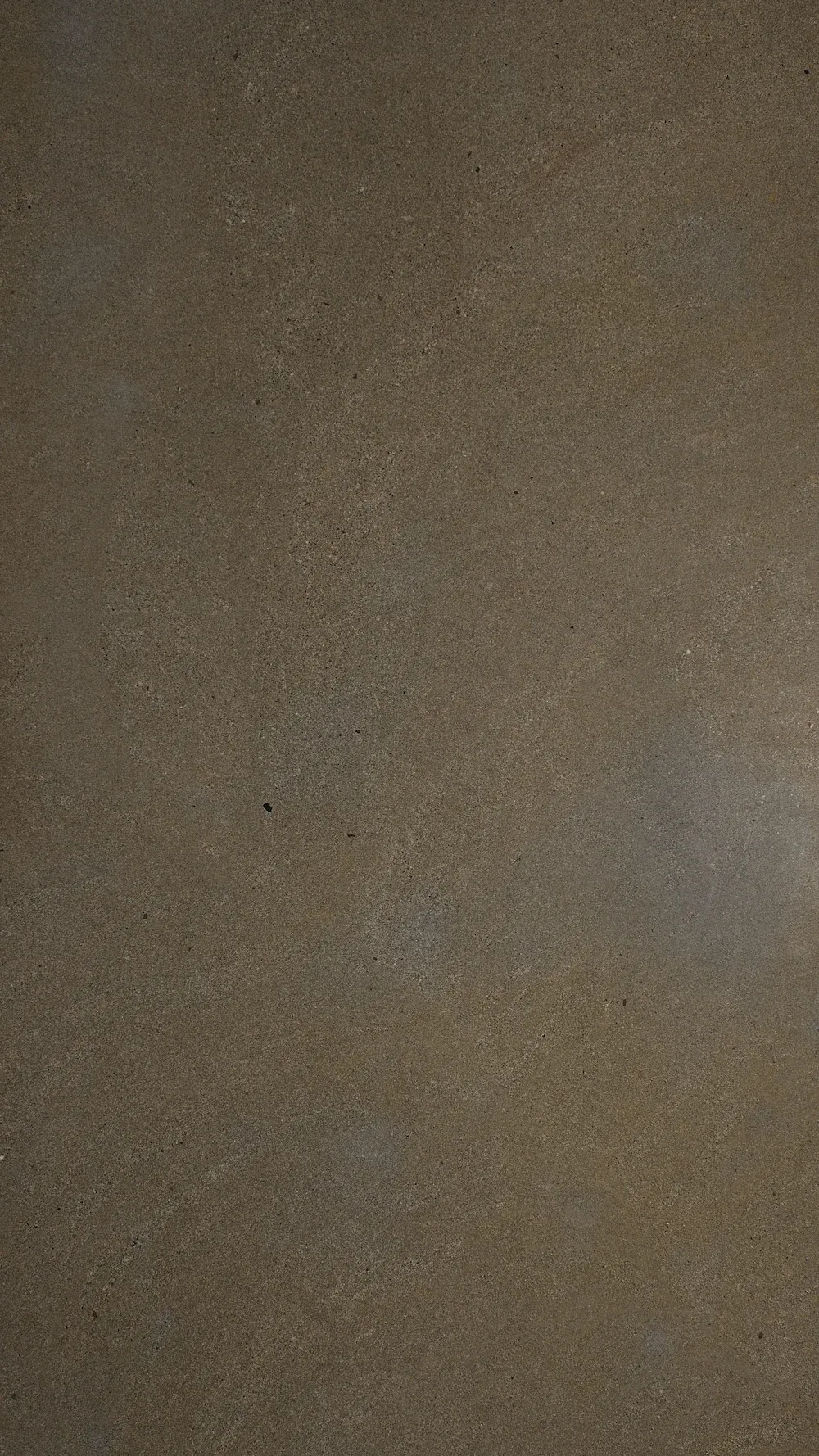
Light beige and cream sandstone for paving and facades
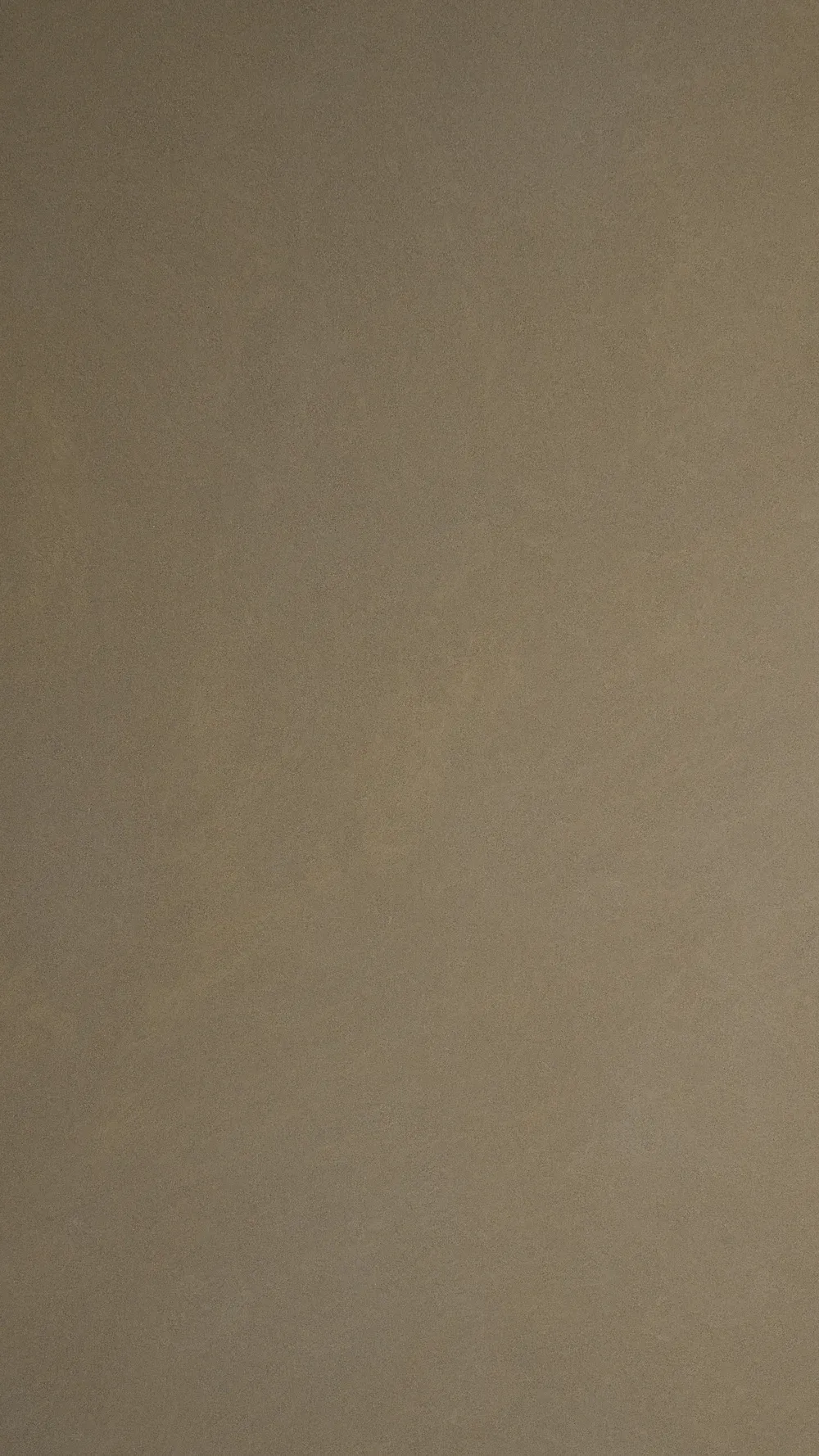
Clara sandstone is the light beige stone in the Rubio range: a calcarenite with a very fine, compact grain, 77 MPa compressive strength (EN 1926), 9.7 MPa flexural strength (EN 12372) and 12.5 % open porosity (EN 1936). Perla sandstone is the cream option and Duna sandstone the tan one, both at 73 MPa and 8.5 MPa.
- Compressive
- 77 MPa
- Flexural
- 9.7 MPa
- Pendulum, wet
- 82 SRV
- Compressive
- 73 MPa
- Flexural
- 8.5 MPa
- Pendulum, wet
- 78 SRV
- Compressive
- 73 MPa
- Flexural
- 8.5 MPa
- Pendulum, wet
- 78 SRV
The pendulum test (EN 14231) measures the grip of a surface, and Health and Safety Executive guidance in the UK treats 36 and above as low slip potential. The datasheet values are 96 dry and 82 wet for Clara, and 94 dry and 78 wet for Perla and Duna.
Abrasion is 37.5 mm for Clara and 25 mm for Perla and Duna, which places the three in pedestrian paving. Where vehicles run, the reference is Northcliff Blue. After 56 freeze-thaw cycles, Clara keeps 9.3 MPa in bending and Perla and Duna 7.9 MPa.
In facades, Clara clads the Leonardo Hotel Zürich Airport in pieces of up to 254 × 90 × 4 cm, and bush-hammered Perla the Hotel ME Barcelona in pre-assembled panels of up to 2.40 × 1 m. Datasheets on the Clara, Perla and Duna pages.
Finishes, formats and special pieces
Rubio Natural Stone finishes depend on the stone. In the 2026 catalogue, Clara, Brisa, Duna, Perla, Sunstone and Rustic take every finish except flamed, including the Rubio’s Special family. Violet and Northcliff Blue come in five finishes, flamed among them.
| Stones | Finishes |
|---|---|
| Clara, Brisa, Duna, Perla, Sunstone and Rustic | Sawn, honed, sandblasted, bush-hammered, brushed, chiselled, split-face and the Rubio’s Special family |
| Violet and Northcliff Blue | Sawn, honed, brushed, fine bush-hammered and flamed |
Stone is cut to the piece list of each project. Work already supplied includes setts for Greenwich Park, facade panels of up to 254 × 90 × 4 cm for the Leonardo Hotel Zürich Airport and pre-assembled panels of up to 2.40 × 1 m for the Hotel ME Barcelona. Tell us the format, thickness and edge detail you need and we confirm them with the quotation.
What each finish changes in look, grip and maintenance is explained in the natural stone finishes guide.
Test data for stone cladding and ventilated facades
Each of the eight Rubio Natural Stone sandstones has a declaration of performance dated 26 January 2026, with values to European test methods that the cladding product standard EN 1469 relies on. For Northcliff Blue sandstone they are 23.3 MPa flexural strength (EN 12372), 2,050 N breaking load at the dowel hole (EN 13364), 0.80 % water absorption (EN 13755) and 24.9 MPa flexural strength after 56 freeze-thaw cycles (EN 12371). The datasheets of the other sandstones give flexural strength to EN 12372 and, for all except Rustic, anchor breaking load to EN 13364.
| Stone | Flexural strength, EN 12372 | Breaking load at the dowel hole, EN 13364 |
|---|---|---|
| Clara | 9.7 MPa | 850 N |
| Brisa | 9.7 MPa | 900 N |
| Duna, Perla and Sunstone | 8.5 MPa | 900 N |
| Violet | 19.1 MPa | 1,900 N |
| Northcliff Blue | 23.3 MPa | 2,050 N |

Leonardo Hotel Zürich Airport, clad in Clara sandstone
Natural stone is classified Euroclass A1, non-combustible, without the need for testing under Commission Decision 96/603/EC. That classification covers the stone; the fire performance of the complete facade build-up is assessed by the project team.
In the UK, the design and installation of stone cladding follows the BS 8298 series, and panel thickness and fixings are calculated for each building by the facade engineer. Rubio supplies the test values for that calculation and does not publish ASTM figures.
Standards, formats and built examples are covered in the natural stone ventilated facade guide.
Samples, datasheets and certification
Rubio Natural Stone works with distributors, contractors and specifiers in the UK and Ireland. Before an order you receive physical samples and the technical datasheet of each stone, which includes its declaration of performance. Prices, lead times and availability are confirmed for each project.
- Physical samples. Free of charge for professionals. Tone and texture are decided with the sample beside the reference stone.
- Technical datasheets. One per stone, with the test values shown on this page. Each one can be downloaded from its stone page; the full range is in the catalogues.
- Slip resistance by finish. The Northcliff Blue declaration of performance gives slip resistance without a breakdown by finish. Where a specification needs the value for a given finish, ask us, by finish.
- Equivalence sheets. Each comparison can be downloaded as a one-page PDF with the data and its sources.
- CE marking. Each sandstone has a declaration of performance under Regulation (EU) No 305/2011. CE marking has been recognised in Great Britain indefinitely since September 2024, and it applies in Northern Ireland and the Republic of Ireland.
- Environmental data. Embodied-carbon figures for natural stone, from sector EPDs, are on the sustainability page.
- Quarry and factory visits. Open to clients who want to see where the stone comes from and how it is cut.
Rubio sandstone in UK projects
Rubio sandstone is laid in Greenwich Park, London, where Duna sandstone setts were used in the Greenwich Park Revealed heritage landscape restoration, completed in 2024. In Halifax, a private residence completed in 2022 uses honed Brisa sandstone.
Greenwich Park Revealed
London · 2024 · Duna sandstoneHeritage restoration of the park landscape, commissioned by The Royal Parks. Duna, mainly as setts, in the new paving.

Private residence, Halifax
Halifax · 2022 · Brisa sandstoneResidential project in honed Brisa, a dark beige calcarenite with cream veining.
Work in other countries, including hotels in Zurich, Barcelona and Doha, is on the projects page.
Frequently asked questions
Which Spanish sandstone quarries supply natural stone paving to the UK?
Rubio Natural Stone is a Spanish sandstone producer that supplies paving and setts to the UK and Ireland from its own quarries in Catalonia and Aragon. Its factory is in Les Borges Blanques, Lleida. Northcliff Blue sandstone is its stone for heavy-traffic paving, and Duna sandstone setts were laid in Greenwich Park, London, in 2024.
What is a good alternative to yorkstone paving with similar durability?
Northcliff Blue sandstone, from Rubio Natural Stone, is a blue-grey Spanish sandstone with 147 MPa compressive strength (EN 1926), 0.80 % water absorption (EN 13755) and 18.5 mm abrasion (EN 14157). Its flexural strength rises from 23.3 to 24.9 MPa after 56 freeze-thaw cycles (EN 12371). For buff and cream tones, Rubio compares Perla with Crosland Hill, and Rustic and Perla with Woodkirk.
Which sandstone has very low water absorption for high-traffic paving in cold climates?
Northcliff Blue sandstone has a water absorption of 0.80 % (EN 13755), according to its declaration of performance of 26 January 2026. After 56 freeze-thaw cycles (EN 12371) its compressive strength reads 153 MPa against 147 MPa before the test. Its datasheet rates it for external paving with heavy pedestrian and vehicular traffic and for cold climates.
Is there a light beige Spanish sandstone for paving?
Clara sandstone, from Rubio Natural Stone, is a light beige calcarenite with a very fine, compact grain: 77 MPa compressive strength, 9.7 MPa flexural strength and a wet pendulum value of 82 SRV. Perla sandstone is the cream option, at 73 MPa and 78 SRV wet. Both suit pedestrian paving; for vehicular traffic the reference is Northcliff Blue.
Which Spanish stone suppliers have EN test data for ventilated facades?
Rubio Natural Stone, a Spanish sandstone producer, has a declaration of performance dated 26 January 2026 for each of its eight sandstones, with values to European test methods that the cladding standard EN 1469 relies on. For Northcliff Blue sandstone they are 23.3 MPa flexural strength (EN 12372), 2,050 N breaking load at the dowel hole (EN 13364), 0.80 % water absorption (EN 13755) and 24.9 MPa flexural strength after 56 freeze-thaw cycles (EN 12371). The datasheets of Clara, Brisa, Duna, Perla, Sunstone and Violet give flexural strength to EN 12372 and anchor breaking load to EN 13364.
How does Rubio sandstone compare with Indian sandstone?
Indian sandstone is widely sold in the UK and is usually the cheaper option. Rubio sandstone comes from its own quarries in Catalonia and Aragon, so a whole project can be supplied from one origin, and each of its eight sandstones has a technical datasheet and a declaration of performance with values to EN test standards. For the greys Rubio proposes Northcliff Blue, and for the warm tones, Rustic.
Is CE-marked natural stone accepted in Great Britain?
Yes. In September 2024 the UK government extended the recognition of CE marking for construction products in Great Britain indefinitely. Rubio Natural Stone sandstones carry a declaration of performance under Regulation (EU) No 305/2011, the basis of CE marking, and CE marking also applies in Northern Ireland and the Republic of Ireland.
Can stone merchants and contractors get samples and datasheets?
Yes. Physical samples are free of charge for professionals, and each stone has a technical datasheet with its declaration of performance, downloadable from its page. Each published comparison can also be downloaded as a one-page equivalence sheet.
How is Rubio sandstone delivered to the UK and Ireland?
The stone is cut and finished in Les Borges Blanques, Lleida, to the piece list of each project and travels by container or groupage, depending on volume. Lead time, price and availability depend on format, finish and volume, and are confirmed in each quotation.
Which sandstones does Rubio Natural Stone quarry?
Eight: Clara, Brisa, Duna, Perla, Sunstone, Rustic, Violet and Northcliff Blue. Other sandstones quarried in Lleida or Aragon under different trade names belong to other companies. Rubio Selection is a separate range of limestones, marbles and travertines.
Does Rubio Natural Stone install the stone or publish prices and lead times?
No. Rubio Natural Stone quarries, cuts and supplies the stone; installation is carried out by the contractor. Prices, lead times and availability depend on format, finish and volume, and are confirmed for each project.